
14
March
2026
Organic Cardboard Assemblies | Kelly Jean Ohl
MOWA | West Bend
205 Veterans Avenue, West Bend, WI 53095

October 24, 2026–January 17, 2027
MOWA | West Bend
A pioneering photographer, Hine used his camera to reveal the human stories behind America’s industrial rise.
October 24, 2026–January 17, 2027
MOWA | West Bend
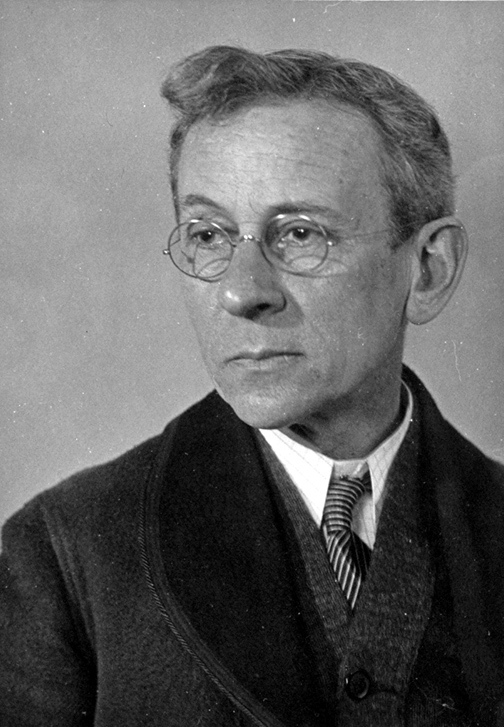
The photographs of Lewis Hine—the “father of documentary photography”—expose the harsh realities faced by immigrants, children, and the working class in the early decades of the twentieth century. Comprising seventy-five rare vintage photographs from the private collection of Michael Mattis and Judith Hochberg, this exhibition includes some of Hine’s most famous images of immigrants at Ellis Island, child labor, the American worker, and the construction of the Empire State Building.
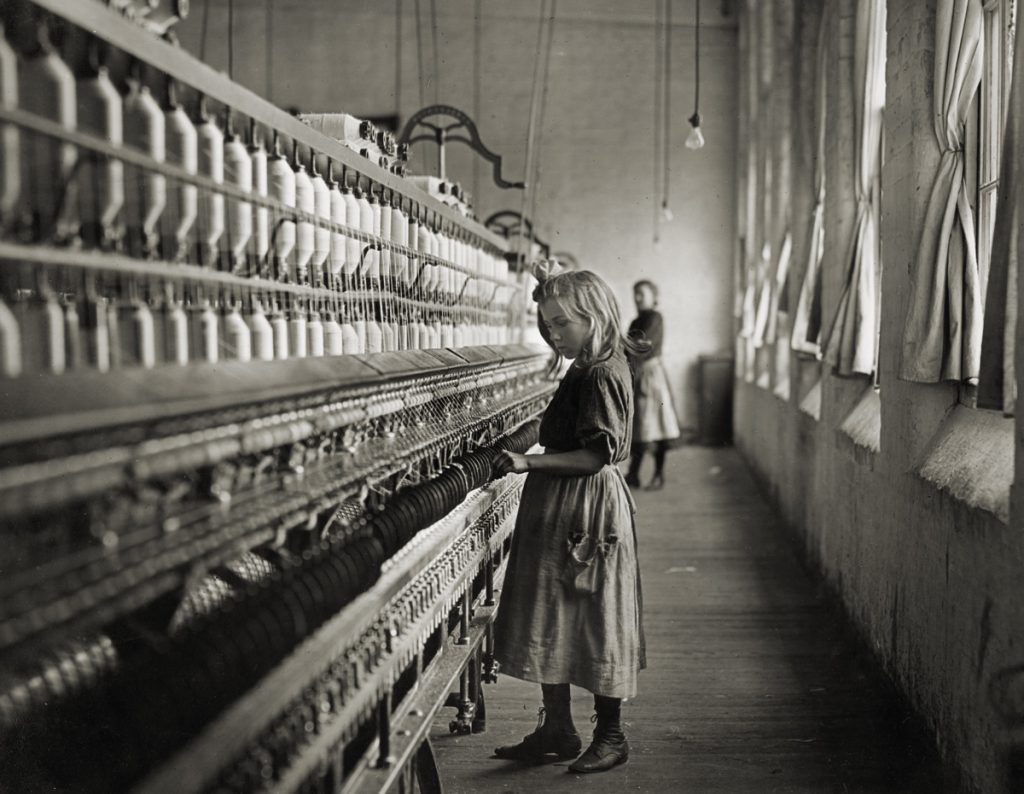
Hine was born in Oshkosh, Wisconsin. His college education was steeped in the values of the progressive movement in Wisconsin and reinforced by his subsequent studies with liberal educators in Chicago. As a staunch advocate for clean cities, safe workplaces, and fair labor laws, he became a teacher at New York’s Ethical Culture School in 1901. Using photography as a teaching tool, Hine took his students to Ellis Island in 1905 to document newly arrived immigrants in an effort to give “a face to the nameless masses.” By 1908, Hine had left the school to become the official photographer for the National Child Labor Committee, an organization advocating for child labor reform. As he traveled across the country, Hine often disguised himself to gain access to factories and mills employing children. One famous image depicts a small girl plucking threads from an immense machine full of spinning spools.
Equally concerned with adults, Hines trained his camera on the harsh living and working conditions in the modern industrial city. His photographs helped to raise public awareness and influence social reform. He also celebrated the ingenuity and talent of the American worker as an essential part of the industrial process, culminating in his documentation of the construction of the Empire State Building.
A pioneering photographer, Hine used his camera to reveal the human stories behind America’s industrial rise. His striking images of immigrants, child laborers, and working-class communities in the early twentieth century capture the effects of a rapidly changing nation, transforming photography into a powerful vehicle for change.
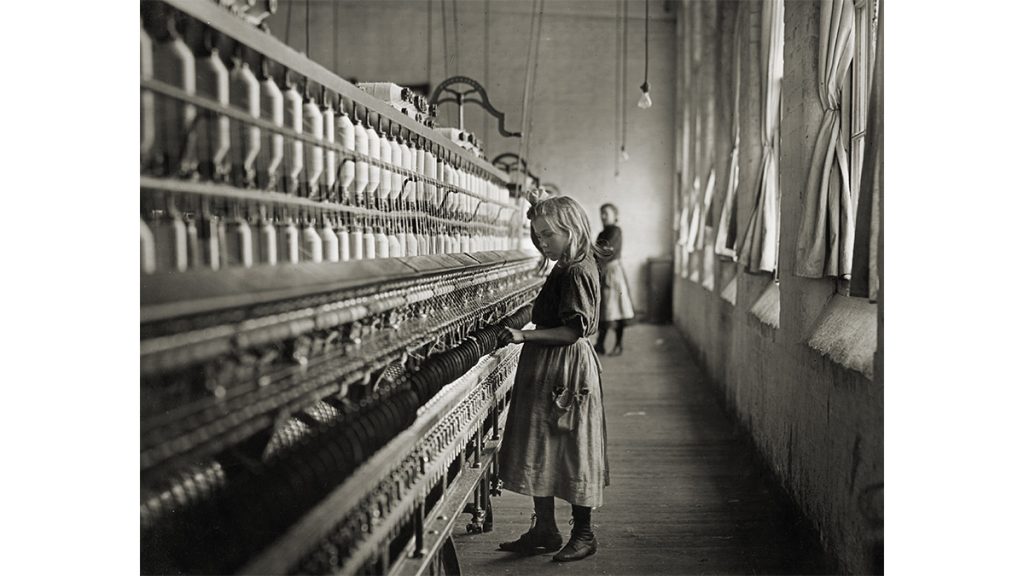
Lewis Hine, American (1874–1940). Sadie, a cotton mill spinner, Lancaster, South Carolina, 1908. Gelatin silver print.
MOWA | West Bend
205 Veterans Avenue, West Bend, WI 53095

MOWA | West Bend
205 Veterans Avenue, West Bend, WI 53095
MOWA | West Bend
205 Veterans Avenue, West Bend, WI 53095
MOWA | West Bend
205 Veterans Avenue, West Bend, WI 53095

MOWA | West Bend
205 Veterans Avenue, West Bend, WI 53095

MOWA | West Bend
205 Veterans Avenue, West Bend, WI 53095

MOWA | West Bend
205 Veterans Avenue, West Bend, WI 53095

MOWA | West Bend
205 Veterans Avenue, West Bend, WI 53095

MOWA | West Bend
205 Veterans Avenue, West Bend, WI 53095
MOWA | West Bend
205 Veterans Avenue, West Bend, WI 53095

MOWA | West Bend
205 Veterans Avenue, West Bend, WI 53095

MOWA | West Bend
205 Veterans Avenue, West Bend, WI 53095
All works are from the collection of Michael Mattis and Judith Hochberg. This exhibition was organized by art2art Circulating Exhibitions.