27
June
2026
Artists on Landscape, Then and Now
MOWA | West Bend
205 Veterans Avenue, West Bend, WI 53095

June 27–August 23
MOWA | West Bend
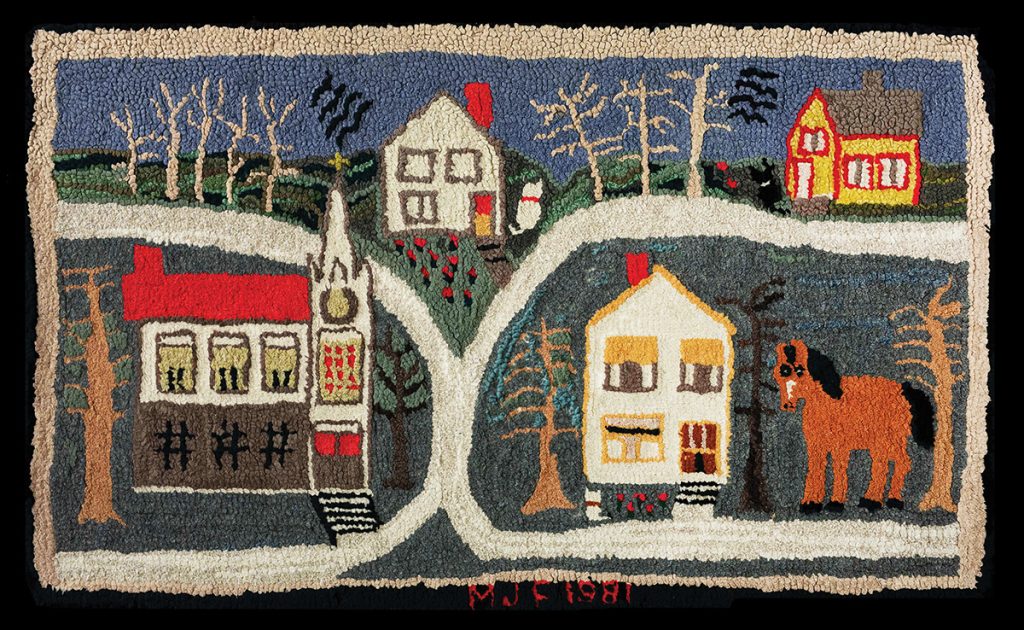
Crafted on a custom-made loom, Friend’s charming hooked rugs represent an art form that rose in popularity after the Second World War.
June 27–August 24
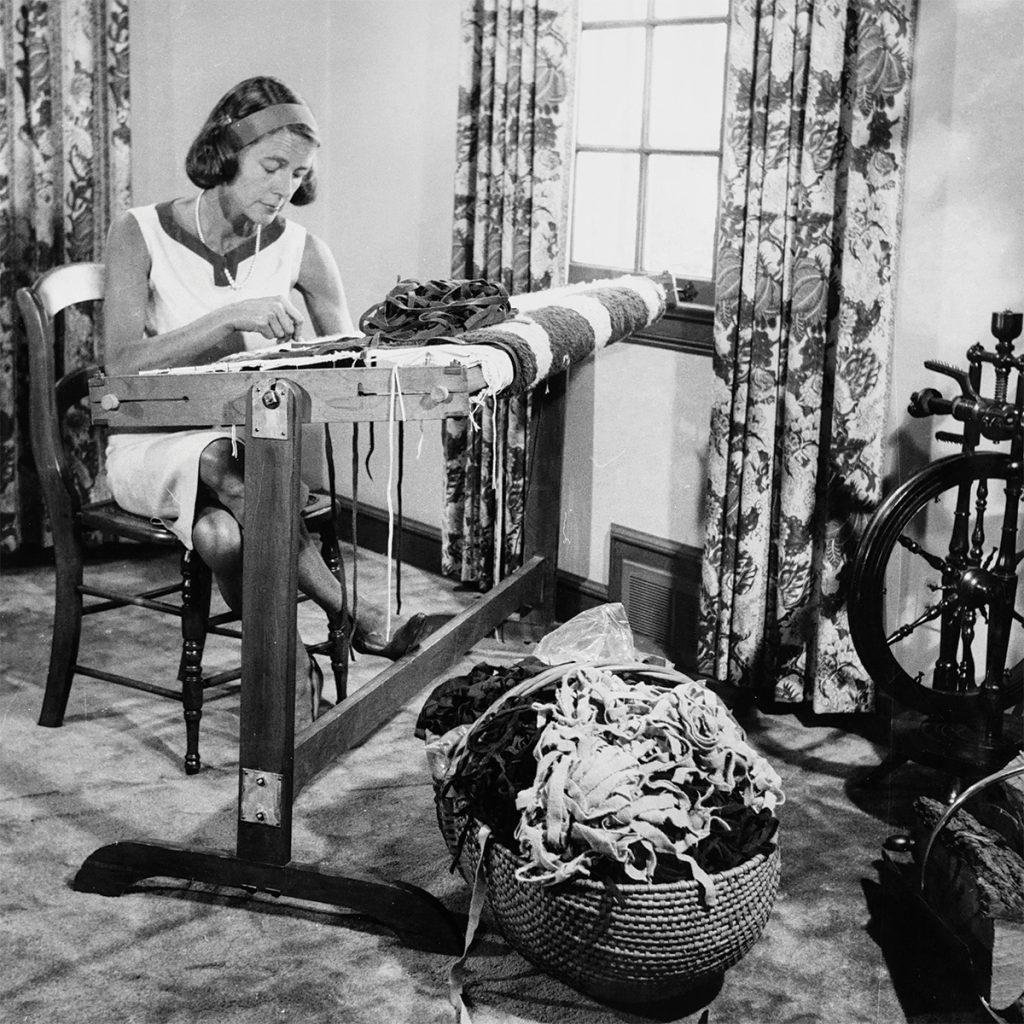
Long before recycling was fashionable, Mary Jane Friend used textiles from donated old clothes to make remarkable works of art. In the early 1950s, she took a rug-making class and, to coin a phrase, became “hooked” on creating rugs.
Created between 1952 and 1981, Friend’s designs pay homage to folk art traditions: old-time farm scenes, sailing vessels, patriotic symbols, traditional geometric patterns, and a myriad assortment of comic and cleverly designed animals.
Crafted on a custom-made loom, Friend’s charming hooked rugs represent an art form that rose in popularity after the Second World War. The genre first emerged in England in the early 1800s before making its way to the United States in the mid-to-late 1800s. Spikes in its popularity coincided with periods of economic strife such as the Great Depression of the 1930s and the cost-cutting measures of WWII. With the later rise of the American Studio Craft movement in the 1950s and 1960s, hooked rugs evolved from a way to economize in hard times to a genuine craft promoted in magazines for modern women who wanted to bring beauty with a personal touch into their homes.
Friend’s skills and commitment to the craft were never casual, even though she never exhibited her rugs professionally. Collected and treasured by family members, these spectacular heirlooms make their first public appearance this summer at MOWA.
Two exhibitions running back-to-back in this gallery will showcase Friend’s varied interests and subject matter from June 27 through August 23 and August 29 through October 18.
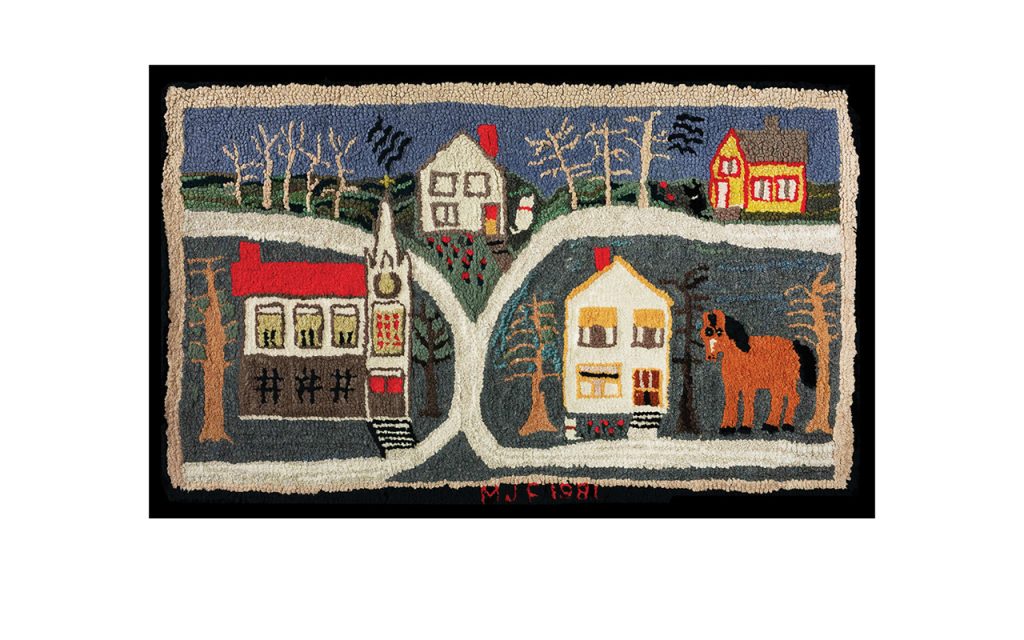
Mary Jane Friend, Four Buildings One Horse, 1981
MOWA | West Bend
205 Veterans Avenue, West Bend, WI 53095

MOWA | West Bend
205 Veterans Avenue, West Bend, WI 53095
MOWA | West Bend
205 Veterans Avenue, West Bend, WI 53095
MOWA | West Bend
205 Veterans Avenue, West Bend, WI 53095
MOWA | West Bend
205 Veterans Avenue, West Bend, WI 53095

MOWA | West Bend
205 Veterans Avenue, West Bend, WI 53095
MOWA | West Bend
205 Veterans Avenue, West Bend, WI 53095

MOWA | West Bend
205 Veterans Avenue, West Bend, WI 53095